
Boost brain health with real food, habits, and science-backed tools. Start future-proofing your mind with these powerful, life-changing strategies.

Introduction: Why I Had to Change My Brain Before It Broke Down
I never thought I’d forget the name of my best friend’s kid. Or walk into a room and feel like I’d dropped my thoughts somewhere along the way.
At just 33, my brain was fogged, fatigued, and frighteningly slow.
I thought it was stress. Or burnout. Or just aging (already?).
But when I finally admitted something felt wrong, I discovered something powerful: brain health isn’t a luxury—it’s survival.
Whether you’re in your 20s or your 70s, your brain is either building or breaking. And you get to decide which.
1. The Brain Is Not Fixed—It’s a Living, Rewiring System (Neuroplasticity 101)
Your brain isn’t stuck.
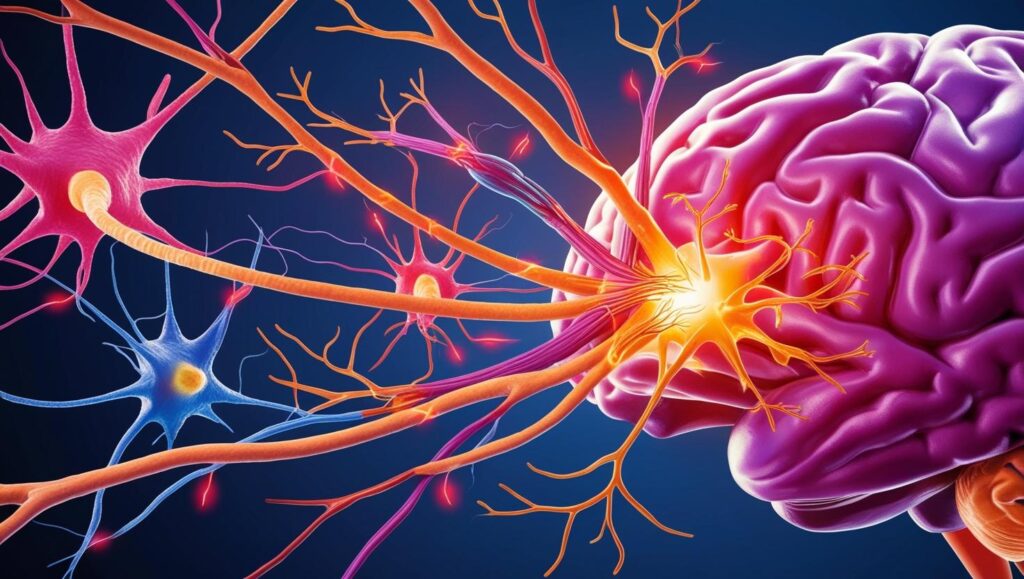
Thanks to neuroplasticity, it constantly rewires itself based on what you eat, think, feel, and do.
“Neurons that fire together, wire together,” says neuroscientist Donald Hebb. That means every positive brain input matters.
How to Support Neuroplasticity:
Eat omega-3s (walnuts, salmon, flaxseeds)
Meditate for 10 minutes/day
Sleep 7–9 hours/night
Learn something new every week
2. The Best Brain Foods Backed by Science (Eat Smart, Think Sharper)
Let’s ditch the hype and go with what real research says.
Top 6 Brain-Boosting Foods:
| Food | Brain Benefit | How to Use It |
|---|---|---|
| Blueberries | Antioxidants that delay brain aging | In smoothies or overnight oats |
| Fatty Fish | High in omega-3s for memory & mood | Grill or bake with lemon |
| Eggs | Choline for neurotransmitter support | Scrambled, boiled, or deviled |
| Turmeric | Anti-inflammatory & supports mood | Add to soups or lattes |
| Pumpkin Seeds | Rich in zinc, magnesium | Sprinkle over salads |
| Dark Chocolate (70%+) | Boosts focus, improves blood flow | Enjoy a square after lunch |
Pro Tip: Combine these into brain bowls or breakfast plates to power up your mornings.
3. Daily Brain Health Habits That Compound Over Time
You don’t need to overhaul your life. You just need to layer in tiny brain-positive habits.
Your Brain Health Routine :
Morning: Hydrate + protein-rich breakfast (add turmeric or berries)
Midday: 5–10 min sun exposure + learning snack (a short article, podcast)
Afternoon: 20-min walk or dance session (oxygen + endorphins)
Evening: Tech-off 1 hour before bed + sleep ritual
4. How Stress Destroys—and Meditation Heals—Your Brain
Chronic stress shrinks your brain. Literally.
It kills the hippocampus, your memory center. But meditation protects and repairs that area.
Research from Harvard found that 8 weeks of daily meditation can increase brain volume in regions linked to emotional regulation and learning.
Try This:
Box breathing (4–4–4–4)
Headspace, Insight Timer, or YouTube 10-min meditations
Nature + mindfulness walks

5. Sleep: The Brain’s Cleaning Crew Works Overnight
During deep sleep, your brain’s glymphatic system flushes out toxins—including beta-amyloid, the plaque linked to Alzheimer’s.
Without quality sleep, your brain is like a dirty kitchen you never clean.
Brain Sleep Hygiene Tips:
Cool, dark bedroom
No caffeine after 2 PM
Wind-down ritual (no screens)
Magnesium + glycine supplements (consult a doc)
FAQs
1. What is the best food for brain health?
Blueberries, fatty fish, eggs, and pumpkin seeds are among the top scientifically supported brain foods.
2. How much sleep do I need for optimal brain function?
Aim for 7–9 hours of quality, uninterrupted sleep each night to allow brain detox and memory consolidation.
3. Can I really improve my memory with diet and habits?
Yes—neuroplasticity means the brain adapts. With consistent habits, you can strengthen memory, focus, and emotional resilience.
4. What are early signs of poor brain health?
Brain fog, forgetfulness, mood swings, and poor focus can signal that your brain needs support.
5. How soon will I see results from brain-healthy habits?
Some improvements (like energy and clarity) can begin in days. Deeper cognitive shifts take weeks to months.
Final Thoughts: Future-Proofing Your Mind Is the Greatest Self-Investment
Your brain is your operating system—everything else runs through it.
Taking care of your mind isn’t optional—it’s foundational.
Start with one change. Then build. Your brain is waiting.
And if you’ve ever struggled with memory, fog, or emotional fatigue:
It’s not too late. Your brain can bounce back.
Let’s get smart about being smart—together.
Tags & Hashtags
Tags: brain health, healthy habits, biohacking, mental clarity, food as medicine, neuroplasticity, anti-aging
Hashtags: #BrainHealth #MentalPerformance #FoodForThought #HealthyMind #NeuroNutrition #EatForFocus #CognitiveWellness