
Dive deep into the top addiction treatment options in Maryland, from expert insights to trusted resources, and discover actionable steps for helping yourself or a loved one along the road to recovery.

Introduction: The Struggle and the Solution
Addiction is one of the most powerful and devastating forces that can impact an individual’s life. It does not discriminate based on age, gender, background, or status—anyone can be affected. Whether it’s substance addiction such as alcohol, drugs, or prescription medications, or even behavioral addictions, the toll on an individual’s life can be catastrophic. Addiction can destroy relationships, create financial instability, and wreak havoc on both mental and physical health.
In Maryland, the prevalence of addiction continues to rise, affecting families, communities, and the state at large. However, in the face of this crisis, there is a glimmer of hope. Maryland is home to a wealth of addiction treatment facilities and programs designed to help individuals regain control of their lives and break free from the cycles of substance abuse and dependency. These resources provide individuals with not only the medical care needed to heal but also the emotional and psychological support essential to lasting recovery.
The Problem: Why Addiction Treatment Matters
Addiction is not just an individual issue—it’s a societal one, especially in Maryland, where nearly 10% of the population struggles with some form of substance use disorder. Opioid addiction, in particular, has reached epidemic proportions across the state. This crisis, which has plagued communities for years, is one that Maryland has been at the forefront of addressing through a combination of harm reduction strategies, opioid treatment programs, and widespread mental health services.
While these statistics are important, they only tell part of the story. Addiction is not merely a clinical problem—it is deeply personal. The emotional and psychological toll on individuals, their families, and even their communities cannot be overstated. The stigma attached to addiction often prevents people from seeking the help they need. The fear of judgment, coupled with feelings of shame, can leave individuals feeling isolated and hopeless.
In Maryland, it’s not enough to just have medical interventions; the solution also lies in understanding that recovery requires a holistic approach. It’s a multifaceted journey that encompasses more than just a medical treatment plan. People struggling with addiction need emotional support, social connections, and opportunities for empowerment.
This article aims to show you that recovery is not only possible, but it is also within reach. Through this comprehensive guide, we’ll highlight the resources, therapies, and programs available in Maryland that can help you or a loved one move from addiction to recovery, from hopelessness to hope.
The Promise: What You’ll Gain from This Guide
As you read through this guide, we will explore Maryland’s vast array of addiction treatment options and programs. Here’s what you can expect to learn:
The Different Types of Addiction Treatment Programs in Maryland: We will go into detail about the various options available, from inpatient to outpatient care, so you can determine what’s best for you.
Effective Therapies for Addiction Recovery: Understanding the science behind therapies like Cognitive Behavioral Therapy (CBT) and Medication-Assisted Treatment (MAT) will be crucial to understanding how addiction treatment works.
The Neuroscience of Addiction: You’ll gain insights into how addiction affects the brain and why effective treatment is essential.
Real Success Stories: You’ll read about individuals who have triumphed over addiction, offering a sense of hope and proving that recovery is possible.
Actionable Steps to Begin Your Journey: Whether you’re seeking help for yourself or a loved one, you’ll find clear, actionable advice on how to take that first step toward recovery.
By the end of this article, we hope to equip you with the knowledge and tools needed to make informed decisions, whether you are just starting your recovery journey or helping someone you care about.
A Comprehensive Overview of Addiction Treatment in Maryland
Addiction treatment is not one-size-fits-all. What works for one person might not work for another. The most effective treatment plans are tailored to the individual, taking into account their specific needs, history, and circumstances. Thankfully, Maryland offers a broad range of treatment options, including inpatient care, outpatient programs, and holistic therapies. Let’s take a detailed look at some of these options, so you can better understand what they entail and which one might be the most suitable.
Types of Addiction Treatment Programs in Maryland
Inpatient Rehabilitation (Residential Treatment Programs)

Inpatient rehabilitation, or residential treatment, is one of the most intensive and effective methods of addiction treatment. This option requires individuals to live at a treatment facility full-time, typically for 30, 60, or 90 days, where they receive round-the-clock care. Inpatient treatment is ideal for those with severe addiction, those who have relapsed after previous attempts at recovery, or those who need a structured environment to stay away from daily temptations.
In Maryland, several facilities, including The Johns Hopkins Addiction Treatment Services and Sheppard Pratt, are known for offering high-quality inpatient rehab programs. These facilities create a safe and nurturing environment where patients can focus entirely on their recovery without the distractions of daily life. The treatment plans are often comprehensive, incorporating a combination of therapy, medical care, medication, and family support.
Key benefits of inpatient rehabilitation include:
24/7 Medical Care: Constant monitoring by healthcare professionals ensures safety, especially during detoxification, which can be challenging and dangerous.
A Structured Environment: The controlled setting removes individuals from triggers and temptations, allowing them to focus entirely on healing.
Therapeutic Support: Patients receive regular therapy, including individual counseling, group therapy, and family therapy, which are essential to addressing the psychological and emotional aspects of addiction.
Inpatient rehab is particularly effective for individuals who are at a high risk of relapse or those dealing with chronic addiction, offering a high level of care and support during the most vulnerable stages of recovery.
Outpatient Rehabilitation Programs
Outpatient rehabilitation provides more flexibility than inpatient treatment, allowing individuals to live at home while attending scheduled therapy sessions. This option is ideal for individuals with mild to moderate addiction who do not require constant medical supervision. Outpatient care allows people to maintain their regular routines, including work, school, and family responsibilities, while still receiving the treatment and support they need.
Outpatient rehab programs vary in intensity and can range from a few hours of therapy a week to more frequent, intensive sessions. In Maryland, facilities like The Addiction Recovery Center and The University of Maryland Medical Center offer outpatient programs tailored to individual needs. These programs typically include:
Individual Therapy: One-on-one sessions with licensed therapists to address personal issues that may be fueling the addiction.
Group Therapy: Group sessions provide peer support and help individuals share experiences and coping strategies.
Family Counseling: Family involvement is crucial for rebuilding relationships and fostering a supportive home environment for recovery.
Outpatient programs work best for individuals who are further along in their recovery journey or those who can maintain their sobriety outside of a structured, residential environment.
Medication-Assisted Treatment (MAT)
Medication-Assisted Treatment (MAT) combines FDA-approved medications with therapy to treat addiction, particularly opioid and alcohol addiction. MAT is based on the premise that medication can help manage cravings and withdrawal symptoms, making it easier for patients to engage in the therapeutic aspects of recovery.
In Maryland, several treatment centers, including The Maryland Addiction Recovery Center (MARC), specialize in MAT. Medications like methadone, buprenorphine, and naltrexone are commonly used in MAT programs. These medications help reduce the intense cravings and withdrawal symptoms that often make recovery so difficult. MAT is often used in conjunction with therapy, which addresses the psychological and emotional aspects of addiction.
Key aspects of MAT include:
Medication Management: Doctors prescribe and closely monitor medications to ensure they are effective and appropriately adjusted.
Therapy: Behavioral therapies, such as Cognitive Behavioral Therapy (CBT), are integrated into MAT to help patients address the root causes of addiction.
Long-Term Support: MAT centers offer follow-up care and counseling to ensure that individuals remain on track and prevent relapse.
MAT is especially helpful for individuals who have struggled with traditional recovery methods and need additional support to maintain their sobriety.
Behavioral Therapies in Addiction Treatment
In addition to medical treatment, behavioral therapies play a crucial role in helping individuals overcome addiction. These therapies help patients change unhealthy thought patterns and behaviors that contribute to their substance use, providing them with the tools they need to cope with triggers and stressors without turning to drugs or alcohol.
Cognitive Behavioral Therapy (CBT)
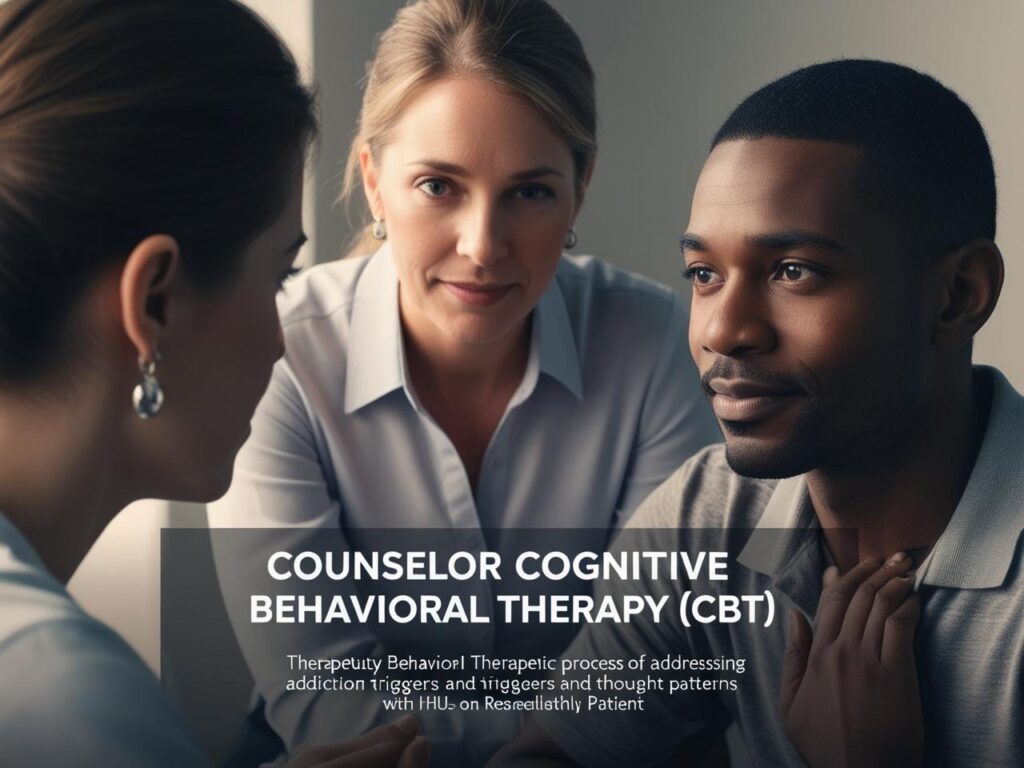
Cognitive Behavioral Therapy (CBT) is one of the most widely used and evidence-based therapies in addiction treatment. CBT helps patients identify and change negative thought patterns that contribute to their addiction. Through CBT, individuals learn how to recognize the situations, thoughts, and emotions that lead to substance use and develop healthier coping mechanisms.
Research shows that CBT is particularly effective for individuals with co-occurring mental health disorders, such as anxiety or depression, alongside addiction. It is a powerful tool for breaking the cycle of addiction by addressing the psychological triggers that sustain it.
Dialectical Behavioral Therapy (DBT)
Dialectical Behavioral Therapy (DBT) is a modified form of CBT that was originally developed to treat individuals with borderline personality disorder but has since been found to be highly effective for addiction as well. DBT emphasizes mindfulness, emotional regulation, and distress tolerance—skills that are vital for individuals who have experienced trauma or struggle with emotional instability.
DBT’s core components include:
Mindfulness: Staying present and fully aware of thoughts and feelings without judgment.
Emotional Regulation: Learning to manage and control intense emotions in healthy ways.
Interpersonal Effectiveness: Improving communication and relationship-building skills.
Distress Tolerance: Developing the ability to cope with difficult emotions without turning to substances.
DBT is particularly useful for individuals whose addiction is intertwined with emotional dysregulation or past trauma.
Contingency Management and Motivational Enhancement Therapy
Contingency Management (CM) is a behavioral therapy that rewards individuals for positive behaviors, such as staying sober or attending therapy sessions. This type of therapy is highly motivating, especially in the early stages of recovery when individuals are at risk of relapse.
Motivational Enhancement Therapy (MET) works by exploring a person’s ambivalence toward change and resolving the resistance that may prevent them from fully committing to recovery. MET enhances an individual’s motivation to change by focusing on their reasons for wanting to recover.
Additional Support Systems
Support systems beyond therapy and medical treatment are just as crucial for recovery. Peer support and family involvement can make a significant difference in long-term success.
Peer Support and 12-Step Programs (AA/NA)
Peer support programs like Alcoholics Anonymous (AA) and Narcotics Anonymous (NA) offer invaluable community and accountability during recovery. These programs are based on the 12-step model, where individuals share their stories, offer support, and encourage each other to stay sober.
Many treatment centers in Maryland incorporate AA/NA principles into their programs, providing individuals with ongoing peer support throughout their recovery journey.
Family Therapy and Support Programs

The Foundation of Effective Treatment
Addiction recovery is a long-term commitment that requires more than just a short-term solution. The most successful treatments involve a combination of medication, therapy, and ongoing support. Research supports this comprehensive approach, showing that combining different forms of treatment leads to the best outcomes.
Common Misconceptions About Addiction Treatment
One of the biggest misconceptions about addiction treatment is that it’s a one-time fix. In reality, addiction is a chronic condition, and recovery is an ongoing journey. Success is not defined by the first few months of sobriety but by continued commitment to recovery and well-being.
Storytelling:
Take Alex, a 29-year-old from Baltimore. For years, he struggled with heroin addiction. After multiple failed attempts at outpatient rehab, he entered a residential treatment program at Sheppard Pratt. Through a combination of MAT, CBT, and peer support, Alex managed to turn his life around. Today, he is sober, has rebuilt his relationships with his family, and now helps others as a counselor.
FAQs: Answering Your Questions
Q1: What are the best addiction treatment centers in Maryland?
Some of the top addiction treatment centers in Maryland include Sheppard Pratt Health System, Johns Hopkins Bayview, and The Baltimore Washington Medical Center. These facilities offer a variety of programs, from inpatient to outpatient care, tailored to individual needs. They also provide specialized therapies designed to treat different types of addiction. Each center has a strong reputation for compassionate care and effective treatment, making them go-to options for many in Maryland.
Q2: How long does addiction treatment take?
The length of treatment can vary depending on the severity of the addiction and the type of program. For inpatient treatment, the duration typically ranges from 30 days to 90 days. However, some individuals may require longer stays for more intensive treatment. Outpatient programs can last longer, sometimes extending beyond several months, as they allow individuals to gradually re-enter everyday life while continuing their recovery.
Q3: Can I get sober without rehab?
While it’s possible for some people to achieve sobriety without formal rehab, the odds of maintaining long-term recovery are much higher when you engage in a structured treatment program. Rehab provides the necessary professional support, therapy, and tools to help individuals tackle the root causes of addiction, manage withdrawal symptoms, and stay sober in the long run. Reaching out for professional help makes the recovery journey more manageable and significantly boosts your chances of success.
Q4: What should I expect from detox in Maryland?
Detox is the first critical step in the recovery process, and it should always be done under medical supervision. In Maryland, many rehab centers offer medically-assisted detox programs to ensure safety and comfort during withdrawal. These programs are designed to help manage the physical symptoms of detox while providing emotional and psychological support. The goal is to make the process as smooth as possible and prepare individuals for the next stages of recovery.
Q5: Is insurance accepted for addiction treatment in Maryland?
Yes, many addiction treatment centers in Maryland accept health insurance. However, insurance policies can vary, so it’s always a good idea to check with the specific center you’re considering. They can help you confirm what coverage is available and whether your insurance plan includes treatment for addiction recovery. Many centers also offer sliding scale fees or payment plans if insurance coverage is limited.
Conclusion: The Road to Recovery Begins Today
Recovery is not easy, but it’s always worth it. With the right resources, treatment, and support, anyone can reclaim their life from addiction. In Maryland, the options for recovery are plentiful. Help is available, and recovery is possible.
Remember, there is always hope, and the road to healing can begin today. Don’t wait—take that first step.
Tags: Addiction Treatment, Substance Abuse Recovery, Maryland Rehabilitation, Opioid Addiction Help, Alcohol Recovery Treatment, Holistic Addiction Care, Supportive Rehab Services
Hashtags: #AddictionRecovery #OpioidAddictionHelp #AlcoholRecoveryJourney #SubstanceAbuseSupport #MarylandRehabCenters #RecoverySuccess #AddictionTreatmentOptions #HopeInRecovery #OvercomingAddiction #HealingTogether