
Explore a comprehensive guide to alcohol addiction treatment, covering effective detox programs, therapy options, expert insights, and real-life recovery stories. Learn how to take the first step toward lasting sobriety with expert-backed, evidence-based strategies for overcoming alcohol use disorder.
 Introduction: Alcohol Addiction – A Silent Battle
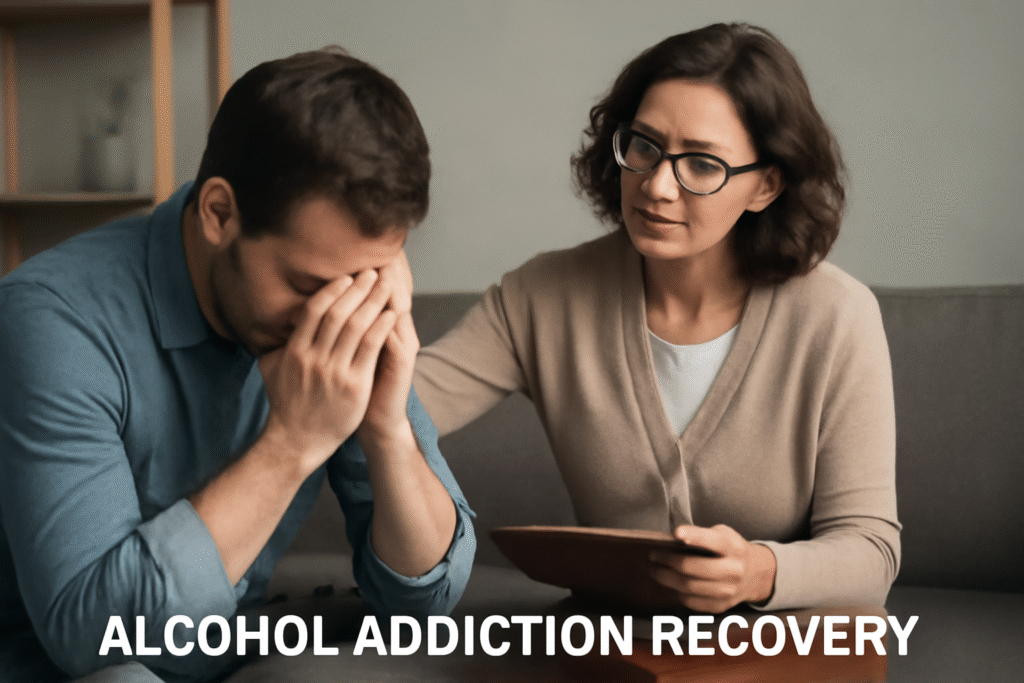 Introduction: Alcohol Addiction – A Silent Battle
The Struggle That Hides in Plain Sight
Imagine this: waking up in the morning, your head heavy with the residue of last night’s binge drinking. The shame, guilt, and self-loathing settle in like an uninvited guest, yet you find yourself reaching for the bottle to quiet the storm inside. For millions of individuals, alcohol addiction isn’t just a personal issue—it’s a powerful force that shapes their entire world. It seeps into relationships, careers, health, and even their sense of identity.
The journey to breaking free from alcohol addiction is fraught with challenges, but it is not insurmountable. The road to recovery, while often complicated, holds immense hope, with numerous treatment paths that can help individuals regain control and live fulfilling, sober lives.
Why Alcohol Addiction Matters
Alcohol addiction, also referred to as Alcohol Use Disorder (AUD), is one of the most prevalent and dangerous conditions worldwide. The World Health Organization (WHO) reports that alcohol use is responsible for 5.3% of the global disease burden, affecting millions of lives in destructive ways. From liver diseases to heart conditions and neurological damage, the physical toll is just the beginning. Addiction also deeply impacts an individual’s mental health, family dynamics, and overall quality of life.
Yet, despite the vast scope of the problem, there’s hope. The key to overcoming alcohol addiction lies in understanding its complexities and the various treatment options available. From medical detoxification to behavioral therapies and holistic practices, every step of the recovery journey matters.
Understanding Alcohol Addiction: The Foundation of Treatment
What Exactly Is Alcohol Addiction?
Alcohol addiction, also known as Alcohol Use Disorder (AUD), involves a physical and psychological dependence on alcohol. It’s more than just drinking too much—it’s a chronic, progressive disease where the person cannot control or reduce alcohol consumption despite the negative consequences it has on their life. Over time, the body becomes accustomed to alcohol, and drinking becomes a compulsion that the individual struggles to stop, even when they desperately want to.
The hallmark of alcohol addiction is tolerance—needing to drink more to feel the same effects—and withdrawal symptoms when alcohol use is reduced or stopped. These withdrawal symptoms can be severe and even life-threatening, which is why professional treatment is so crucial.
Why This Matters
Understanding the science behind alcohol addiction is vital in addressing the condition effectively. Alcohol affects the brain’s reward system, particularly the production of dopamine, the “feel-good” neurotransmitter. Over time, the brain becomes reliant on alcohol to release dopamine, which reinforces drinking behavior. This process makes it incredibly difficult for someone to quit without professional help, which is why alcohol addiction is classified as a chronic disease.
Treatment for Alcohol Addiction: A Multidimensional Approach
Stage 1: Medical Detoxification – The First Step to Recovery
For individuals suffering from alcohol addiction, the first step is often detoxification. Detox is designed to rid the body of alcohol and manage withdrawal symptoms under medical supervision. It’s a crucial step because alcohol withdrawal can be dangerous and even fatal if not carefully monitored.
During detox, individuals may experience symptoms such as:
Tremors
Anxiety
Nausea and vomiting
Sweating
Severe cases may include seizures
Healthcare professionals carefully manage these symptoms with medications such as benzodiazepines, which help control anxiety and prevent seizures. The goal of detox is to stabilize the individual physically before moving on to further treatment.
Stage 2: Behavioral Therapy – Addressing the Root Causes of Addiction
Once detoxification is complete, individuals move on to behavioral therapy. Therapy is essential for helping individuals understand the psychological triggers that lead to their drinking and developing healthier coping mechanisms. Behavioral therapies can also help address the underlying causes of addiction, such as stress, trauma, or mental health issues.
Cognitive Behavioral Therapy (CBT) is one of the most common and effective forms of therapy for alcohol addiction. CBT helps individuals identify and change harmful thought patterns and behaviors related to drinking. This therapy teaches patients how to cope with triggers and develop better ways of managing stress and emotions.
Motivational Interviewing (MI) is a client-centered approach that helps individuals resolve ambivalence about their drinking and strengthens their motivation to change. MI is particularly effective in the early stages of treatment when individuals may be uncertain about committing to recovery.
Contingency Management (CM) involves offering rewards to individuals for maintaining sobriety. This positive reinforcement helps individuals feel motivated and accomplished as they progress in their recovery journey.
Family Therapy is also a vital aspect of treatment. Alcohol addiction affects not only the individual but their loved ones as well. Family therapy works to repair relationships, improve communication, and provide the family with tools to support their loved one in recovery.
Stage 3: Aftercare and Long-Term Support
Recovery from alcohol addiction doesn’t end after therapy or rehab. Long-term support is essential for maintaining sobriety and preventing relapse. Aftercare programs include continued therapy, participation in support groups like Alcoholics Anonymous (AA), and outpatient counseling.
Relapse Prevention Programs are a key part of aftercare. These programs help individuals recognize the triggers that may lead to a relapse and develop strategies to avoid or cope with these triggers.
Support Groups such as AA provide a community of individuals who understand the challenges of addiction. These groups help individuals stay accountable and offer emotional support.
Sober Living Homes may also play a role in aftercare. These homes provide a structured, supportive environment for individuals transitioning back to daily life after rehab.
Insights from Experts and Evidence-Based Approaches
The Science of Alcohol Addiction Treatment
According to the Mayo Clinic, alcohol use disorder is a “medical condition that affects the brain’s ability to control drinking behavior.” This underscores the importance of treating addiction as a disease, not a moral failing. Recovery requires both medical and psychological intervention.
A study published in PubMed emphasizes that “early intervention in alcohol use disorder significantly improves long-term recovery outcomes.” The earlier treatment begins, the better the chances of sustaining sobriety.
Debunking Common Myths About Alcohol Addiction
Myth: You can quit drinking on your own if you really try.
Fact: Alcohol addiction is a chronic disease that requires professional treatment. Attempting to quit without support can lead to severe withdrawal symptoms and relapse.Myth: Detox is all you need to recover.
Fact: Detox is just the first step. Comprehensive treatment involving therapy, medication, and ongoing support is necessary for lasting recovery.Myth: Addiction treatment is expensive and inaccessible.
Fact: There are various treatment options available at different price points, including sliding scale fees, insurance coverage, and government-funded programs.
Personal Stories of Recovery
Take the case of Sarah, a 42-year-old mother who had struggled with alcohol addiction for over 15 years. Despite her best efforts, her drinking had taken a toll on her marriage, career, and health. Sarah entered a rehab program that combined detox, therapy, and support groups. Through this comprehensive treatment plan, Sarah was able to rebuild her life. Today, she is sober and works as an addiction counselor, helping others navigate their own journeys to recovery.
Action Section: How You Can Begin Your Journey
Start Today: Download Your Alcohol Addiction Recovery Checklist
If you’re struggling with alcohol addiction, or if a loved one is, taking the first step can feel overwhelming. To help guide you through the recovery process, we’ve created a comprehensive Addiction Recovery Checklist. This resource will help you:
Identify your personal treatment needs
Find local rehab centers and detox programs
Access additional support groups and therapy resources
Download it now and start your journey toward a healthier, happier life.
Pin It for Later
Save this article to your Pinterest board or share it on your Web Story to remind yourself that recovery is possible. Share it with friends and family who may be struggling with alcohol addiction, and help them take that first crucial step.
Frequently Asked Questions (FAQs)
How do I know if I need alcohol addiction treatment?
If alcohol is negatively affecting your health, relationships, or work, and you find it hard to stop drinking despite trying, professional treatment is recommended.
Is alcohol addiction treatment covered by insurance?
Many health insurance plans cover addiction treatment, but it’s important to check with your provider for specifics regarding coverage for rehab, therapy, and medications.
Can I detox at home?
While some people may attempt detox at home, it’s safest to undergo detox under medical supervision to manage withdrawal symptoms and prevent complications.
How long does recovery from alcohol addiction take?
Recovery is a lifelong process. The initial treatment phase typically lasts a few weeks, but long-term recovery involves continuous therapy, support, and lifestyle changes.
What if I relapse during recovery?
Relapse is common, but it doesn’t mean failure. It’s an opportunity to learn from setbacks and recommit to recovery with renewed strength and support.
Conclusion: Your Journey Starts Here
Alcohol addiction is a complex and challenging disease, but it is treatable. With the right combination of medical care, therapy, support, and ongoing dedication, recovery is not only possible but achievable. Whether you’re just starting or well into your recovery journey, remember that every step forward is a victory. You are not alone, and help is available. Embrace the support, seek professional guidance, and take control of your future.
Tags and Hashtags
Tags: Alcohol Addiction, Alcohol Use Disorder, Addiction Recovery, Behavioral Therapy, Support Groups
Hashtags: #RecoveryJourney, #AlcoholAddiction, #SoberLiving, #AddictionTreatment, #AlcoholismHelp