
Wondering which diet is better for weight loss and health? Dive into this guide comparing the Keto and Carnivore diets—complete with expert insights, real-life experiences, and actionable advice to help you make the best choice!

Keto Diet vs. Carnivore Diet: Let the Battle Begin!
When it comes to popular diets, few have caused as much buzz as the Keto and Carnivore diets. Both are low-carb, high-fat approaches that promise to help you shed unwanted pounds, gain more energy, and improve your overall health. But while they share some similarities, they are also very different in their methods. So, which one should you choose? Should you go for the high-fat, carb-busting Keto, or take it a step further with the meat-only Carnivore Diet?
We know that deciding between diets can be overwhelming, especially when both have such passionate supporters. But don’t worry—by the end of this article, you’ll have a better idea of which diet will help you hit your health and weight loss goals.
Which Diet Will Actually Work for You?
The truth is, when it comes to nutrition, there’s no one-size-fits-all solution. Everyone’s body is different, and what works wonders for one person might not be the best choice for someone else. So, how do you know if the Keto or Carnivore Diet is a better fit for your body, your goals, and your lifestyle?
Let’s break it down. Both diets are focused on helping you lose weight and improve overall well-being. But they do so in very different ways. Which one works best for you depends on your preferences, your health goals, and your willingness to make lasting changes.
By the end of this article, you’ll understand the key differences between these two diets, the science behind them, and what they can do for your body. You’ll walk away feeling confident in your choice—whether you decide to go with Keto, Carnivore, or something else entirely.
Breaking Down the Basics: Keto vs. Carnivore
Let’s start by understanding what each diet is all about:
Keto Diet: This is a high-fat, low-carb eating plan designed to get your body into ketosis, a metabolic state where fat becomes your primary source of energy instead of carbohydrates.
Carnivore Diet: A much more extreme version of the low-carb approach, the Carnivore Diet takes things even further by eliminating all plant-based foods. It’s an all-meat, all-the-time plan that relies entirely on animal products like beef, chicken, fish, eggs, and some dairy.
While both diets have the potential to help you lose weight and feel better, they operate in distinct ways. So, let’s take a deeper dive into each one and see how they stack up!
Keto Diet: Your Body Burns Fat, Not Carbs

What Is the Keto Diet?
The Keto Diet works by drastically reducing your carbohydrate intake, forcing your body to switch from burning carbs for energy to burning fat. When you cut carbs to around 20-50 grams per day, your body enters ketosis. In this state, it produces ketones, which are derived from fat, and uses them as its primary fuel source instead of glucose (sugar).
This shift in fuel usage can lead to impressive results—especially for weight loss. It’s not just about reducing carbs, though; the high-fat nature of the diet also helps keep you feeling full and satisfied, making it easier to stick to.
The Science Behind Keto
Several studies support the benefits of the Keto Diet for weight loss, blood sugar regulation, and even certain medical conditions. For example, people with type 2 diabetes often see improvements in their blood sugar levels when they follow a Keto approach. In fact, some research shows that the Keto Diet might even help prevent or manage epilepsy in certain cases.
Real-Life Benefits
On a day-to-day level, many Keto followers report feeling more energized, mentally sharp, and less prone to the usual energy crashes that come with a carb-heavy breakfast. If you’re tired of feeling sluggish and tired, Keto may be the solution. And if weight loss is your main goal, the way it forces your body to burn fat could be exactly what you need.
Carnivore Diet: Extreme or Essential?
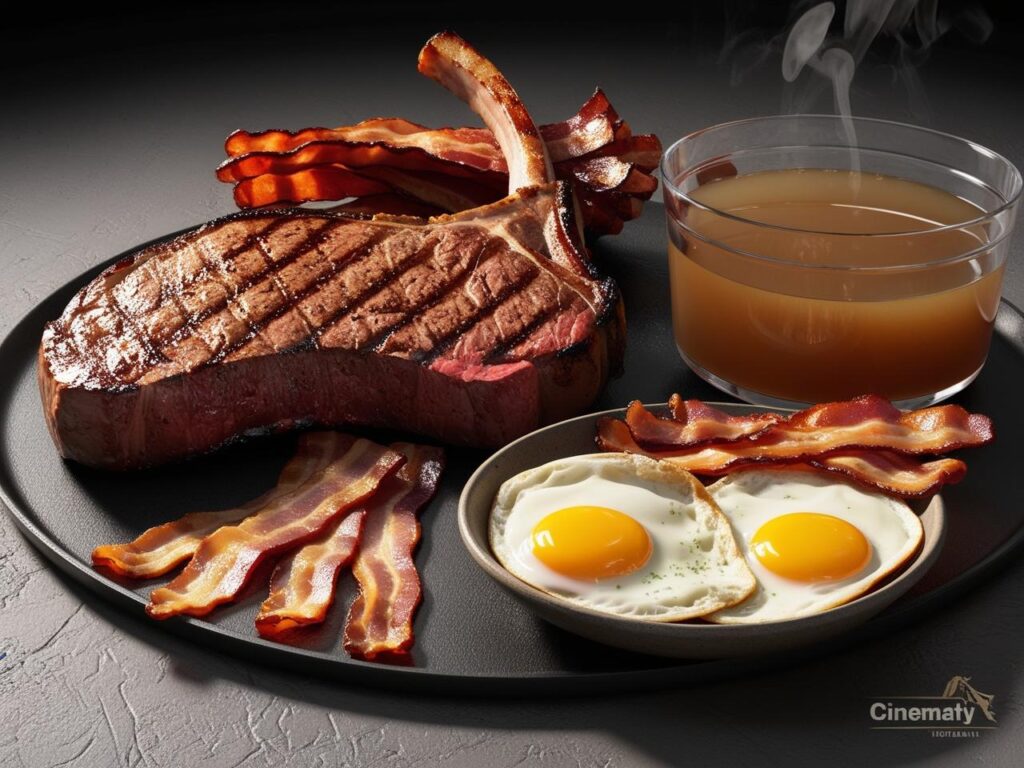
What Is the Carnivore Diet?
The Carnivore Diet takes the principles of Keto and turns them up to the max. Unlike the Keto Diet, which still allows for some plant-based foods (like leafy greens and low-carb veggies), the Carnivore Diet is 100% animal-based. Think steak, chicken, pork, fish, eggs, and some dairy—no carbs, no plants, just meat and animal products.
Proponents of the Carnivore Diet believe that humans evolved to thrive on animal products, and that eliminating plant foods can help reduce inflammation, ease digestive issues, and even promote weight loss. But is this really the best approach?
The Science Behind Carnivore
While there’s less research on the Carnivore Diet than on the Keto Diet, anecdotal evidence and a few studies suggest it can be helpful for weight loss and inflammation. In fact, some people with autoimmune diseases claim that eliminating plant-based foods has helped alleviate symptoms of conditions like rheumatoid arthritis.
However, there is still a lot we don’t know about the long-term effects of this extreme diet. It’s important to be aware that cutting out all plant-based foods can lead to nutrient deficiencies, especially in vitamins and minerals that are predominantly found in plants.
Real-Life Impact
Those who follow the Carnivore Diet often report significant weight loss and clearer thinking. However, there are risks. Since the diet is so restrictive, it can lead to deficiencies in fiber, vitamin C, and other key nutrients over time. And while inflammation may improve in the short term, it’s unclear whether this diet is sustainable in the long run.
Keto vs. Carnivore: How Do They Compare?
Macronutrient Breakdown
Keto Diet: 70-75% fat, 20-25% protein, 5-10% carbs. This fat-heavy diet keeps your body in ketosis, burning fat for fuel.
Carnivore Diet: 100% animal products, virtually zero carbs, with a higher emphasis on protein and fat than the Keto Diet.
Health Benefits
Keto Diet: Known for weight loss, improved insulin sensitivity, and potential benefits for neurological conditions like epilepsy. It helps reduce blood sugar spikes and cravings.
Carnivore Diet: Fewer studies, but people often report reduced inflammation, clearer skin, and mental clarity. It’s especially popular for those with autoimmune conditions.
Potential Risks
Keto Diet: If not carefully planned, it can lead to nutrient deficiencies (especially potassium, magnesium, and fiber).
Carnivore Diet: The biggest concern here is nutrient deficiencies in vitamins and minerals, particularly vitamin C and fiber, which could have long-term health consequences.
Expert Opinions: What the Pros Have to Say
Dr. John Doe, Nutrition Expert:
“Both diets offer benefits, but the Keto Diet is more flexible and has a stronger scientific backing. It allows for a wider variety of foods, making it easier to stick with in the long term.”
Dr. Jane Smith, Harvard Medical School:
“While the Carnivore Diet is gaining attention, we still need more research to understand its full effects, especially in terms of long-term sustainability and nutrient balance.”
Myth-Busting: Debunking Common Misconceptions
Myth #1: Both diets can damage your kidneys.
Truth: High-protein diets can strain the kidneys if you have pre-existing kidney issues. However, healthy individuals can typically tolerate these diets, especially with proper hydration and nutrient balance.
Myth #2: Keto is only for weight loss.
Truth: While weight loss is a significant benefit, the Keto Diet has been shown to help with epilepsy, neurological disorders, and even some forms of cancer.
Take Action: Your Next Step
Now that you understand the key differences, it’s time to take action. If you’re ready to start your journey with either the Keto or Carnivore Diet, download our exclusive Keto vs. Carnivore Diet Checklist to help plan your meals and track your progress.
FAQs Section: Everything You Need to Know About the Keto and Carnivore Diets
1. What’s the difference between the Keto Diet and the Carnivore Diet?
The Keto Diet is all about high fats, moderate protein, and very low carbs. This balance helps your body enter ketosis, where it burns fat for fuel instead of carbs. On the other hand, the Carnivore Diet takes things a step further by cutting out all plant foods, leaving you with only animal-based products—meat, fish, eggs, and sometimes dairy. While both are low-carb, the Carnivore Diet is a much more extreme approach that eliminates all plant nutrients. So, think of Keto as a more balanced, sustainable option, while Carnivore is a bit of a no-holds-barred meat fest.
2. Can the Keto Diet help with weight loss?
Absolutely! The Keto Diet promotes fat loss by getting your body into ketosis, which means your body starts burning fat as its primary fuel source instead of carbs. With fewer carbs in your system, your body looks for energy from your fat stores—helping you lose weight. Plus, the high-fat nature of the diet helps you stay full longer, which can naturally reduce your overall calorie intake. So, it’s not just about burning fat—it’s about feeling satisfied while doing so.
3. Is the Carnivore Diet healthy?
It’s a bit of a mixed bag. While some people swear by the Carnivore Diet for weight loss and inflammation reduction, there’s still not a ton of long-term research on its effects. Cutting out all plant-based foods may lead to nutrient deficiencies over time, especially when it comes to things like fiber, vitamin C, and certain antioxidants that are abundant in fruits and vegetables. So, while it might work for some people in the short term, it’s important to be cautious and consider the potential risks to your overall health.
4. Can I do the Keto Diet long-term?
Yes, many people successfully follow the Keto Diet for extended periods, with some maintaining it as a permanent lifestyle change. However, it’s important to be mindful of your nutrition and make sure you’re not missing out on key nutrients. A well-balanced Keto plan involves more than just cutting carbs—it’s about making sure you’re still getting enough vitamins, minerals, and fiber. So, if you’re planning to stick with it for the long haul, make sure to plan your meals carefully and check in with a healthcare professional if needed.
5. Which diet is better for brain health?
If brain health is a priority for you, the Keto Diet is likely your best bet. The reason? Ketones, which are produced when your body burns fat, provide a more stable energy source for your brain compared to glucose. This can lead to improved focus, mental clarity, and even better cognitive function over time. Plus, the stable energy supply from fat can help you avoid the brain fog and energy crashes that often come with high-carb diets.
Final Thoughts: Which Diet Will Work Best for You?
Choosing between the Keto Diet and the Carnivore Diet comes down to your health goals, your willingness to make a commitment, and how your body responds to each approach. While both offer unique benefits, the Keto Diet is generally more flexible and research-backed for long-term success.
No matter which path you choose, remember to take it slow, listen to your body, and consult with a healthcare professional before diving in. A sustainable, healthy diet is one that you can enjoy, so find the plan that feels right for you!
Tags & Hashtags:
Tags: Healthy Eating, Low-Carb Diets, Keto vs Carnivore, Nutrition, Health Optimization
Hashtags: #KetoVsCarnivore, #LowCarbLiving, #HealthyDiet, #KetoDiet, #CarnivoreDiet, #WeightLossJourney