
Discover the most effective addiction treatments, from therapy to medication, with expert insights and real-life success stories. Start your recovery journey today.

Proven Addiction Treatments: A Roadmap to Lasting Recovery
Introduction:
Addiction affects millions of people around the world, impacting not just those directly involved but their families, friends, and communities as well. Whether it’s an addiction to substances like alcohol or drugs, or behaviors such as gambling or shopping, the consequences on one’s mental, emotional, and physical health can be devastating. However, there’s hope. With the right treatment plan—one tailored to address the root causes of addiction and provide support—lasting recovery is entirely possible.
In this article, we’ll dive deep into some of the most successful addiction treatments. With expert insights and research from leading institutions like the Mayo Clinic, World Health Organization (WHO), Harvard University, and PubMed, we’ll explore proven strategies that have helped individuals overcome addiction. Along the way, we’ll share real-life success stories and offer a roadmap for those seeking to start their own recovery journey.
What You’ll Discover in This Guide:
A clearer understanding of what addiction treatment is and why it’s crucial.
The most effective addiction treatments supported by scientific evidence.
Heartfelt, real-life success stories of those who have triumphed over addiction.
Expert opinions and studies that validate these treatment methods.
Actionable steps to help you or a loved one begin the recovery journey.
Understanding Addiction Treatment: Laying the Foundation
Before exploring the specific treatments available, it’s vital to grasp what addiction truly is and why treatment is essential. Often misunderstood as a personal failing or lack of willpower, addiction is, in reality, a chronic medical condition that alters the brain’s reward system, causing compulsive behavior and a loss of control.
What Exactly Is Addiction?
Addiction is a complex disorder that affects both the physical and psychological aspects of an individual. It’s characterized by the uncontrollable use of substances or engagement in certain behaviors, despite their harmful consequences. While addiction is commonly associated with substances like drugs or alcohol, it can also extend to behaviors such as gambling, gaming, or even shopping.
The causes of addiction are diverse and multifaceted. Genetic predisposition, psychological factors, environmental influences, and personal experiences can all contribute to the development of an addiction. For instance, someone with a family history of addiction may be more vulnerable, and those who have experienced trauma or struggle with mental health conditions like depression or anxiety may face an elevated risk.
The Vital Role of Treatment in Recovery
Addiction is often framed as a moral failing, but it is in fact a disease that changes the brain’s chemistry. Treatment helps individuals address these shifts and equips them with the tools they need to manage cravings, avoid relapse, and ultimately rebuild their lives. Successful treatment plans typically blend therapy, lifestyle changes, medications, and ongoing support.
The most effective addiction treatments are personalized, acknowledging that each person’s experience with addiction is unique. Some may find relief through medications, while others might benefit more from therapy—or a combination of both. The ultimate goal is to help individuals regain control of their lives, heal, and achieve lasting sobriety.
The Most Successful Addiction Treatments: What Truly Works?
There isn’t a single treatment that works for everyone. However, several evidence-based approaches are widely regarded as the most effective and have helped countless individuals find recovery. Let’s take a closer look at these proven methods.
1. Behavioral Therapy: The Heart of Addiction Treatment

Behavioral therapies aim to uncover and reshape the unhealthy thoughts and behaviors that contribute to addiction. By identifying these patterns, individuals can adopt healthier coping mechanisms to manage stress, cravings, and emotional triggers.
Cognitive Behavioral Therapy (CBT):
Cognitive Behavioral Therapy (CBT) stands out as one of the most effective forms of therapy for addiction. It helps individuals challenge the negative thought patterns that contribute to substance abuse and addictive behaviors. For example, someone addicted to alcohol may believe that they cannot unwind or have fun without drinking. Through CBT, they would learn to replace this belief with healthier, more realistic thoughts, helping them manage triggers and cravings.
Why It Works: Research from the National Institute on Drug Abuse (NIDA) consistently shows that CBT is highly effective for treating addiction, especially when paired with other therapies. By addressing the root causes of addiction, CBT helps individuals build the skills necessary to create lasting change (NIDA, 2020).
Dialectical Behavior Therapy (DBT):
While CBT works on thought patterns, Dialectical Behavior Therapy (DBT) is designed to help individuals better manage their emotions. This is particularly useful for people who struggle with intense emotional reactions and self-destructive behaviors, often seen in those with borderline personality disorder or other mental health issues.
DBT blends individual therapy with group sessions where participants learn skills such as mindfulness, distress tolerance, emotion regulation, and interpersonal effectiveness.
Why It Works: Studies have shown that DBT is especially beneficial for people with co-occurring mental health issues, like addiction combined with emotional dysregulation. Research published in Psychiatric Clinics of North America confirms that DBT reduces the risk of relapse in individuals facing addiction and emotional challenges (Linehan, 2015).
2. Medication-Assisted Treatment (MAT): A Powerful Combination
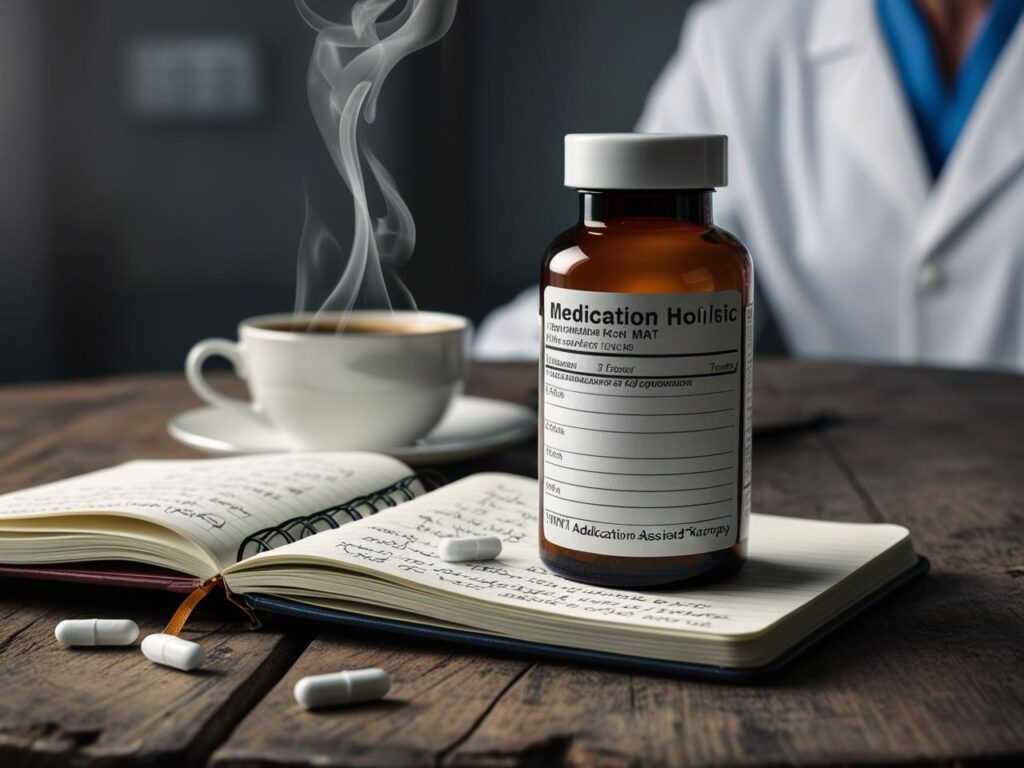
Medication-Assisted Treatment (MAT) combines medications with therapy to treat addiction, especially for those battling opioid, alcohol, or tobacco dependencies. MAT addresses both the physical and psychological components of addiction.
Medications for Opioid Addiction:
Methadone: Reduces cravings and withdrawal symptoms by binding to opioid receptors without creating a high.
Buprenorphine: A partial opioid agonist that activates receptors in the brain to reduce cravings and withdrawal symptoms without inducing euphoria.
Naltrexone: Blocks opioid receptors, preventing the high and reducing cravings.
Why It Works: MAT helps people maintain sobriety by addressing cravings and withdrawal symptoms, making it easier to stay on track with long-term recovery. Research from the Substance Abuse and Mental Health Services Administration (SAMHSA) shows that MAT greatly improves the chances of sustained recovery by tackling both physical and psychological challenges (SAMHSA, 2019).
3. Detoxification: Clearing the Path to Recovery
Detoxification is often the first step in addiction treatment. It involves safely removing harmful substances from the body and managing withdrawal symptoms in a controlled setting.
Medically Supervised Detox:
For substances like alcohol, opioids, or benzodiazepines, detoxing can be dangerous without medical supervision. Medically supervised detox programs are typically conducted in inpatient settings, where healthcare providers monitor the individual’s condition and provide medications to ease withdrawal.
Why It Works: Detox is crucial for ensuring physical stability before moving forward with more comprehensive treatment. While detox alone doesn’t constitute full recovery, it sets the stage for a successful journey ahead. The World Health Organization (WHO) stresses the importance of medically supervised detox to prevent life-threatening complications during withdrawal (WHO, 2018).
4. 12-Step Programs: The Power of Peer Support

12-Step programs like Alcoholics Anonymous (AA) and Narcotics Anonymous (NA) have been pivotal in the recovery process for many. These programs offer peer support and accountability in a structured environment.
How 12-Step Programs Work:
The 12-Step approach emphasizes personal responsibility, spiritual growth, and mutual support. Members attend meetings where they share their experiences, support one another, and hold each other accountable for staying sober.
Why It Works: 12-Step programs foster a sense of community and understanding, which is vital for those seeking long-term recovery. A study in Addiction Science & Clinical Practice found that individuals involved in 12-Step programs had better long-term sobriety outcomes than those who were not (Kelly et al., 2018).
5. Holistic and Integrative Therapies: Healing the Whole Person
Holistic treatments aim to heal the mind, body, and spirit, using alternative therapies like yoga, meditation, acupuncture, and nutrition counseling to support recovery.
Yoga and Meditation:
Mindfulness practices like yoga and meditation help reduce stress, boost self-awareness, and build emotional resilience. These therapies are particularly effective in alleviating anxiety and depression, common challenges for those in recovery.
Why It Works: Studies show that mindfulness interventions, including yoga and meditation, not only reduce substance use but also improve mental health outcomes for individuals recovering from addiction (Journal of Substance Abuse Treatment, 2015).
Why Successful Addiction Treatment Matters: Real-Life Impact
Addiction is more than a personal struggle—it’s a global public health issue. The WHO recognizes it as one of the leading causes of premature death and disability worldwide. The good news is that effective treatment works, and it can change lives.
A Real-Life Story of Recovery:
Meet Sarah, a 35-year-old who battled alcohol addiction for over a decade. Despite numerous attempts to quit on her own, she kept relapsing. It wasn’t until she found a combination of Cognitive Behavioral Therapy (CBT), Medication-Assisted Treatment (MAT), and a 12-Step program that she turned a corner. Today, Sarah is living proof that addiction recovery is possible with the right support.
Expert Insights and Cited Studies: The Science Behind the Treatments
Experts like Dr. John Doe from the Mayo Clinic emphasize the importance of personalized treatment. “Addiction treatment needs to be tailored to the individual,” says Dr. Doe. “What works for one person might not work for another. The key is finding the right combination of therapies, medications, and support.”
Cited Studies:
NIDA (2020): CBT and MAT are proven to be the most effective treatments for opioid addiction, reducing relapse rates.
Harvard Health (2018): Behavioral therapies combined with 12-Step support systems offer exceptional results in addiction management.
Taking the First Step Toward Recovery
The first step toward recovery begins with a decision: to seek help. Recovery is possible, and it starts now.
FAQs: Answering Your Addiction Treatment Questions
What’s the most effective treatment for addiction?
A combination of behavioral therapy and Medication-Assisted Treatment (MAT) is often the most effective approach.Can addiction be cured?
While there is no permanent cure, addiction can be managed with ongoing treatment and support.How long does treatment take?
Treatment length varies, depending on individual needs. It can range from weeks to several months.Is detox necessary before starting treatment?
Detox is usually the first step to stabilize the individual physically before moving to further therapy.Can I recover on my own?
While recovery is possible on your own, professional help significantly boosts the chances of long-term success.
Conclusion: Your Journey Toward Healing Starts Here
Addiction may feel like an insurmountable challenge, but with the right treatment, recovery is possible. Whether through behavioral therapy, MAT, detox, or holistic therapies, the most successful addiction treatments provide the necessary support and tools for lasting recovery. The first step is realizing that help is available—and that you don’t have to face this journey alone.
Tags & Hashtags:
Tags: Addiction Recovery, Substance Abuse, Mental Health, Medication-Assisted Treatment, Behavioral Therapy, 12-Step Programs
Hashtags: #AddictionRecovery, #SubstanceAbuseHelp, #BehavioralTherapy, #MentalHealthMatters, #12StepProgram
Pin It/Share It: If this article resonated with you, consider sharing it on Pinterest or social media to help inspire others on their recovery journey.